
What is plastic?
We hear a lot today about bioplastics and bio-based plastics, but these terms are hard to pin down. Recycled? Natural origin? Plant-based? Recyclable? Compostable? Biodegradable? You hear just about everything, and its opposite.
To begin with, we need to understand what we call “plastic”.
It is simply a family of materials defined by a molecular arrangement of small units repeated many times over to form long chains. These units are called monomers, hence the scientific name “polymer” for plastics. To make them, we polymerize: small molecules are linked together using catalysts and reagents.
So a plastic is a material made of a repeating pattern that forms long chains. In thermoplastics, these chains arrange themselves in two ways: aligned, which we call the crystalline phase, and disordered, completely entangled, which we call the amorphous phase.
Petroleum-based or bio-based: what are we talking about?
When we talk about petroleum-based or bio-based plastics, we are focusing on where the polymerized monomers come from. The monomer is the polymer’s basic building block. It can come from hydrocarbons or from plant sources, entirely or in part.
There are two kinds of bio-based plastics: those with exactly the same structure as petroleum-based polymers, such as PE or PET, and those with a new structure not found in their petrochemical counterparts, such as PLA.
But this is where the confusion starts: bio-based does not mean biodegradable at all, and the two terms are easily mixed up.
Bio-based plastics with an identical structure are recycled very well today, because recycling streams already exist for them (PE, PET and so on): they are, in the end, exactly the same plastics.
Unfortunately, most new-structure bio-based plastics are incinerated for energy recovery. The problem is that they are not used in large enough volumes to justify a dedicated recycling stream.
Biodegradable plastics are another story. They usually require industrial composting, in large controlled facilities at more than 70 °C, and nobody has an industrial composter in their backyard. These plastics must never be thrown away in nature: they would take far too long to break down.
In conclusion
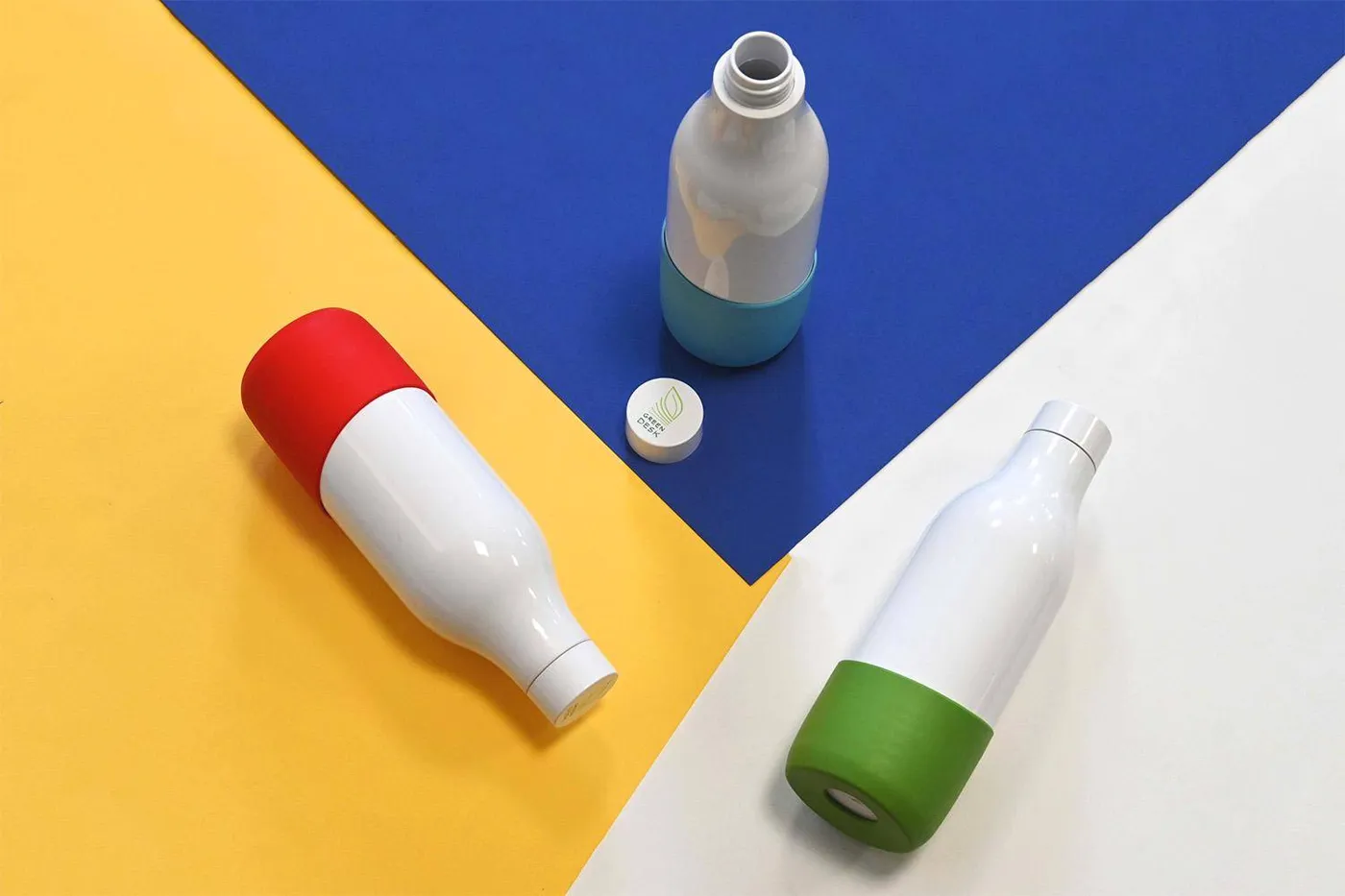
In every case, the best approach is to eco-design products, and expert support makes all the difference. At Processus Group, our engineering office is skilled in eco-design and we steer our projects in that direction as much as possible. It is also the mission of our Green Desk brand, which offers eco-designed, bio-based and recyclable products.
Would you like to discuss this article with us? Get in touch with our team.